The NYC Subway for First Timers
How to pay with OMNY, read the lines, survive express trains and weekend changes, and not be the person blocking the doors.
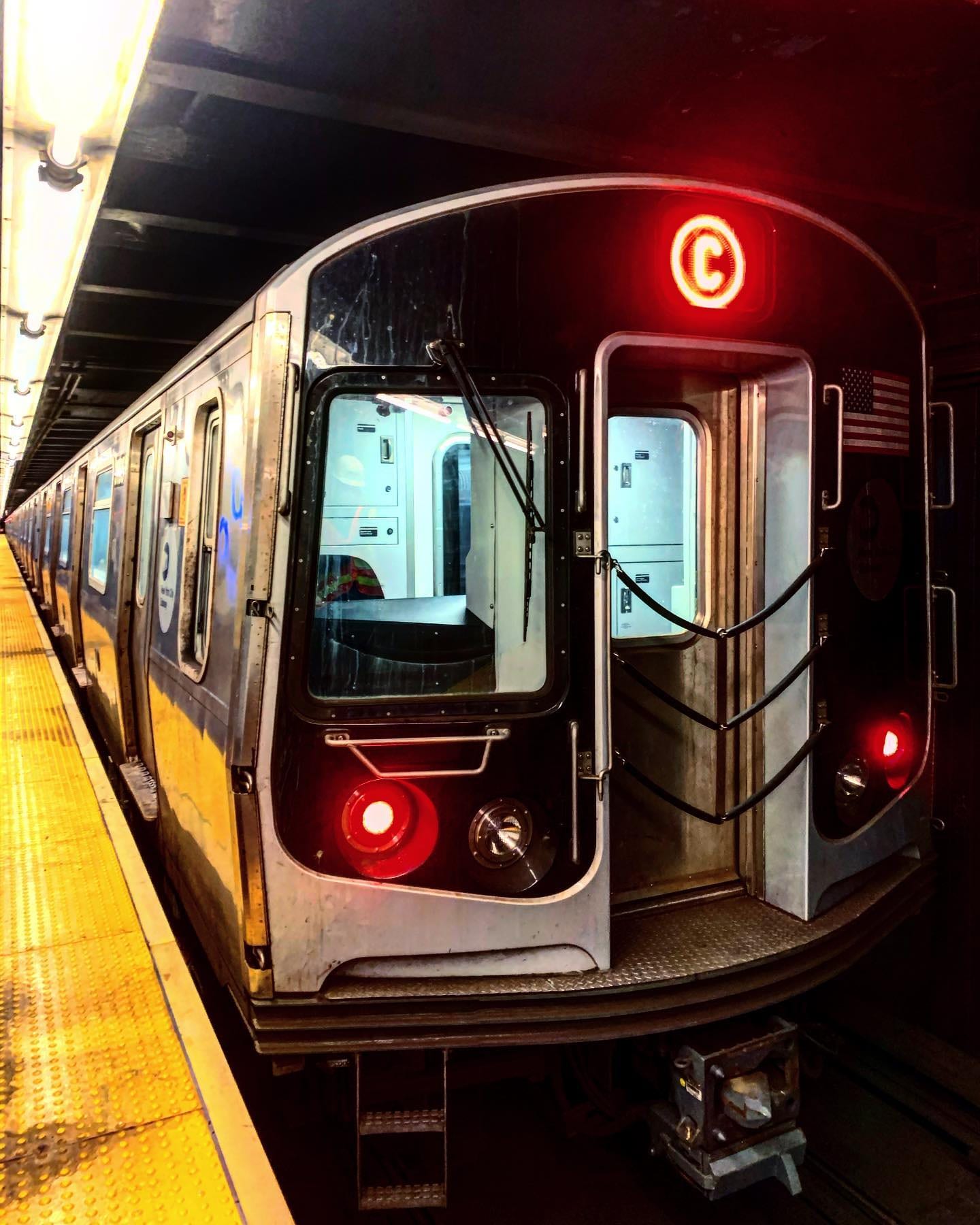
The subway is loud, occasionally baffling, frequently delayed, and still the single best thing about living here. It runs 24 hours a day, a ride costs $3, and it will get you anywhere faster than a car will.
Here’s everything you need, in about five minutes.
How to pay for the subway: OMNY
Tap your phone or your contactless card at the turnstile. That’s it. That’s OMNY. MetroCards are gone: the MTA stopped selling them and stopped letting anyone add money to one on December 31, 2025. There is no card to buy and no machine to fight with.
If you would rather not tap a bank card, buy an OMNY card for a dollar, then load it with cash. They are sold at vending machines in stations, which take cash and give change, and at drugstores, 7-Elevens and plenty of bodegas. The machines are not in every station yet. An OMNY card works exactly like tapping a phone, weekly cap included.
Here’s the part people miss. Tap the same card or phone 12 times in any 7-day stretch, and the rest of that week rides free. That caps a week at $35. It happens automatically, with no signup and no app. It only works if you use the same card every time, so don’t alternate between your phone and your wallet.
For what everything else in the city costs, see tipping and money in NYC.
Reading the subway map
Letters and numbers are the lines, not colors. The colors just mean those lines share a trunk route through Manhattan. A New Yorker will say “take the 6.” Nobody has ever said “take the green line” and been understood immediately.
Express versus local is what gets you. Express trains skip most stops. You can sail past your station and watch it go by, which is a specific kind of helplessness. Check the sign over the platform and the strip map inside the car before the doors close.
Uptown and Downtown often have separate entrances. Many stations don’t let you cross over once you’ve paid. If the sign at the stairs says “Downtown only” and you’re going uptown, you’re walking around the block. Read before you tap.
Subway etiquette: the unwritten rules
- Let people off before you get on. This is the big one. Stand to the side of the doors, not in front of them.
- Doors do not bounce back. They are not elevator doors. Don’t stick your arm in.
- Don’t lean on the pole. Other people are holding that pole. You’re using the whole pole.
- Backpack off in a crowded car. Hold it at your feet. You are twice as wide as you think you are.
- Move to the middle of the car. There is always more room in the middle. There is always someone who won’t move.
- Nobody is looking at you. Not at your outfit, not at your map, not at your accent. This is the best part of the city. Use it.
Weekends and late nights
Weekend service changes constantly. Trains reroute onto other lines, skip stops, run express where they’re normally local, or just don’t run. The map on the station wall will lie to you with complete confidence.
Use Google Maps or Citymapper live instead. Citymapper is better for New York specifically.
Late at night, wait in the off-hours waiting area near the station booth. It’s marked and monitored. Then ride in the conductor’s car, which stops by the black-and-white striped board in the middle of the platform.
When to skip it
Crosstown travel in Manhattan is often faster by bus or on foot. The subway was built to go north and south, and it commits to that with real conviction. Anything under about fifteen blocks, just walk. You’ll see more, and you’ll get there at the same time.
And when you’re crossing water rather than town, the NYC Ferry is slower, prettier and barely more expensive.
Accessibility
Only some stations have elevators, and elevator outages are common. If you’re traveling with a stroller, a wheelchair or a lot of luggage, check the MTA’s accessible station map before you plan a route. Don’t find out about it at the top of a staircase.
Every city bus is accessible, and buses are often the better call. They’re slower, but you see the city while you’re annoyed at the traffic.
New to the whole city, not just the trains? Read first time in NYC next, and where to stay before you book.
Coming from the airport
The same tap gets you in from JFK, LaGuardia or Newark, and it is a tenth of what a cab costs. Which train, which bus and what each one charges: JFK, LaGuardia and Newark into Manhattan.
Questions about anything in this guide? Reach MUSEENYC at museenyc.art@gmail.com or @museenyc on Instagram.
Getting around is the easy part. Knowing where to go → museenyc.com