First Time in NYC: What Nobody Tells You First
How New York works on a first visit: the subway, the money, the walking, the hustles, and which famous things are actually worth your time.
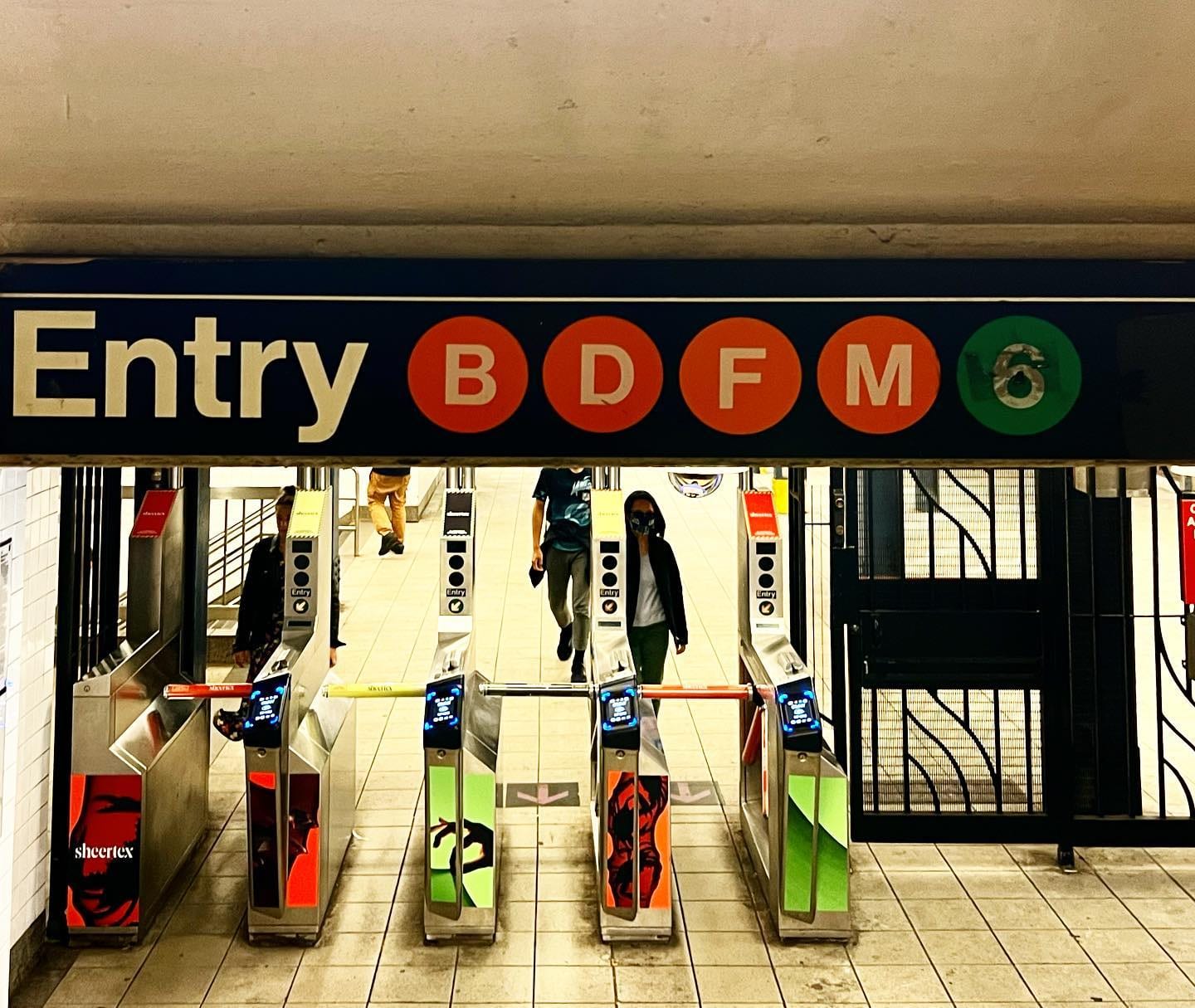
New York is easier than it looks and more tiring than it looks. The city is on a grid, the trains run all night, and everyone is too busy to bother you. What catches first-timers out is distance, timing and the small economy built around people who look new.
Here is the version we would tell a friend the week before they fly in.
Getting in from the airport
Before any of the rest of it: all three airports connect to Manhattan on public transit for between $3 and $18, and at rush hour the train usually beats the cab. Our airport guide has each one, what it really costs, and the one thing to walk straight past in arrivals.
How the city actually works
The grid is your friend. Above Houston Street, avenues run north to south and streets run east to west, numbered in order. Twenty streets is about a mile. Fifth Avenue divides east from west, so 50 East 42nd Street and 50 West 42nd Street are different places.
The subway is the fastest way to move, and it runs 24 hours. Tap a contactless card or phone at the turnstile, tap the same one every time, and the fare stops charging after twelve rides in a week. Express trains skip stops, local trains take them all. Our subway guide explains the rest in five minutes.
You will walk more than you expect. Seven to nine miles a day is normal on a sightseeing trip. Bring shoes you have already broken in, not new ones.
Money: the price on the tag is not the price you pay, because tax is added at the register. Tip 18 to 20 percent in restaurants, a dollar or two a drink at a bar. Our tipping guide covers every situation.
The mistakes worth avoiding
- Booking two things on opposite ends of the city in one day. This is the big one. Group your days by neighborhood, the way our three-day itinerary does.
- Buying anything from someone who approaches you. Tickets, tours, CDs, bus passes. The real version is always sold at a counter or online. Our Staten Island Ferry scam guide shows how the most common one works.
- Eating on the busiest block. Walk two blocks in any direction from a landmark and both the price and the food improve.
- Trying to see everything. Three famous things done properly beats seven done at a jog.
- Skipping the outer boroughs. Brooklyn and Queens are where half the best food is, and both are minutes away by train.
The famous things: which are worth it
- Worth it: the Brooklyn Bridge at sunrise, the Staten Island Ferry (free), Grand Central, the New York Public Library, Central Park, the 9/11 Memorial, the Met.
- Worth it if you plan: a Broadway show, the Statue of Liberty if you book the ferry properly, the Empire State Building or another paid view at sunset.
- Worth ten minutes, not two hours: Times Square, Wall Street, the Fifth Avenue shops.
- Free alternatives to a paid view: the Brooklyn Heights Promenade, Gantry Plaza in Queens, the ferry, and the best views guide.
Practical things nobody mentions
- Bathrooms take planning. Museums, hotel lobbies, department stores, Bryant Park. See our bathroom guide.
- Tap water is good. Carry a bottle and refill it.
- Cross at the corner, walk on the right, and step aside to check your phone. That is the entire etiquette.
- The weather is extreme in both directions. August is humid, January is cold and windy between the buildings. Dress for ten degrees colder than the forecast if you are out at night.
- Most museums have a free or pay-what-you-wish window, and New York residents pay what they wish at several. The free museums guide has every one.
Where to sleep, and how long to stay
Three or four days is the sweet spot for a first trip, and October is the best month to take it: when to come goes through the year. Pick the neighborhood before the hotel, because the daily travel time matters more than the room: our where to stay guide ranks the neighborhoods by the kind of trip you are taking. If you only have one day, read is one day in NYC enough instead.